
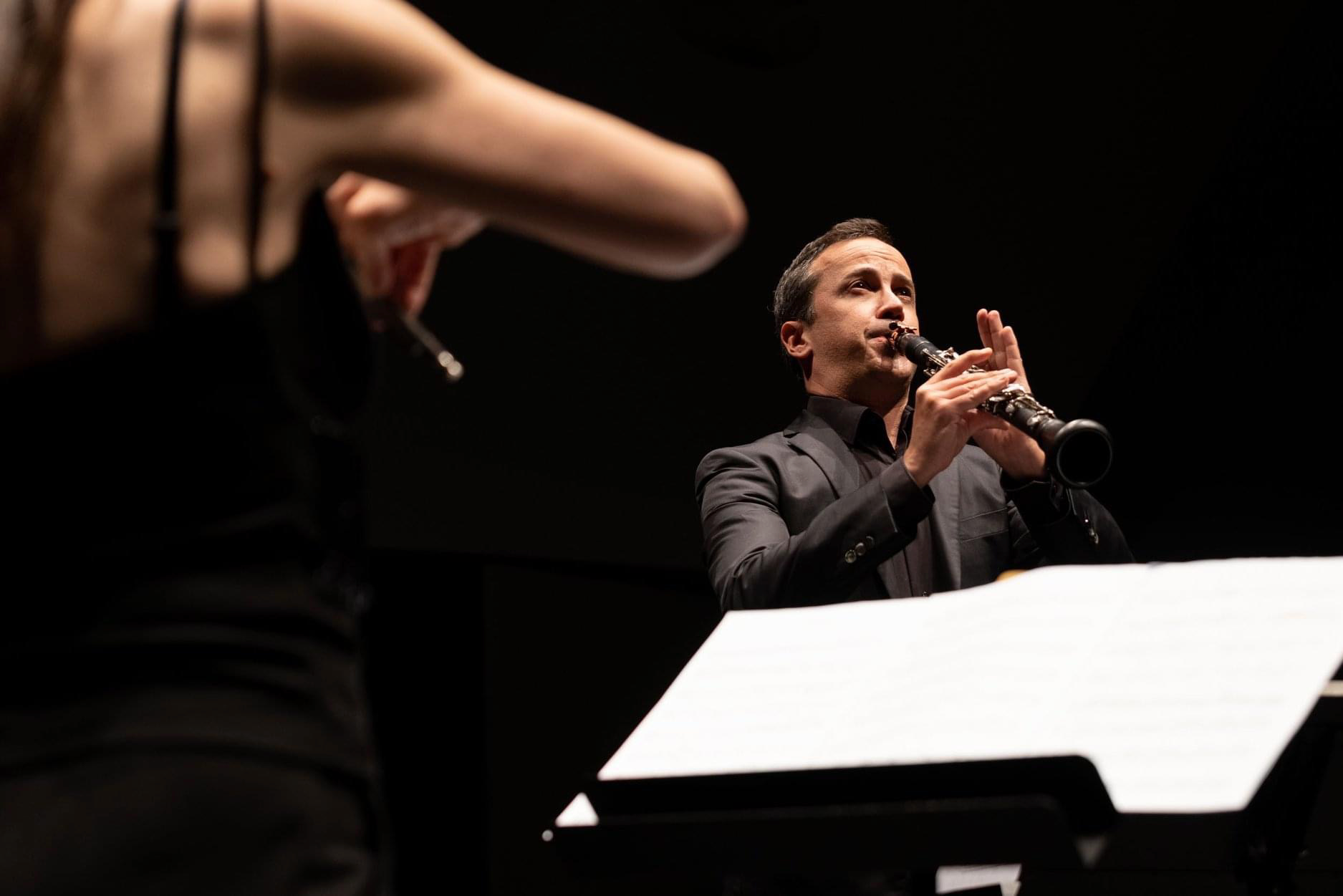
Different circumstances, different questions
The mentoring does not divide musicians into fixed pathways.
The same underlying principles — close listening, specific musical questions, comparison, judgement and choices the musician can sustain — may enter very different contexts.
What follows describes circumstances in which the mentoring can take place. They are not packages.
Interpretation and repertoire
Sometimes the repertoire itself is the reason for the mentoring.
A musician may want to understand why a piece remains too uniform, why a passage feels expressive but structurally unstable, why analysis of the score has not yet affected the sound, or how to move from a series of local ideas towards a more coherent interpretation.
We can look closely at phrase, structure, timing, articulation, dynamic shape, colour, character and the relationships between them. Recordings can expose recurring habits or allow comparison between possibilities. The score can clarify hierarchy and proportion, but the question always returns to performance: what becomes audible?
This kind of work does not require a crisis or an imminent external event. It can belong to sustained artistic development in its own right.
Auditions, competitions and orchestral work
An audition or competition introduces conditions that matter.
There is repertoire to choose or prepare, limited time, a particular performance context and often a need to decide which risks are musically worthwhile.
The mentoring may move between orchestral excerpts and larger works, between interpretative detail and the coherence of a whole programme. We may examine style, phrase, timing, character, consistency or whether a particular choice remains convincing under the conditions in which it will actually be heard.
Sometimes the question is strategic as well as musical: whether an audition or competition deserves attention, what should be prioritised now, or how the opportunity relates to the musician's current experience and readiness.
The mentoring can provide a framework for examining those questions. It does not promise the external result.
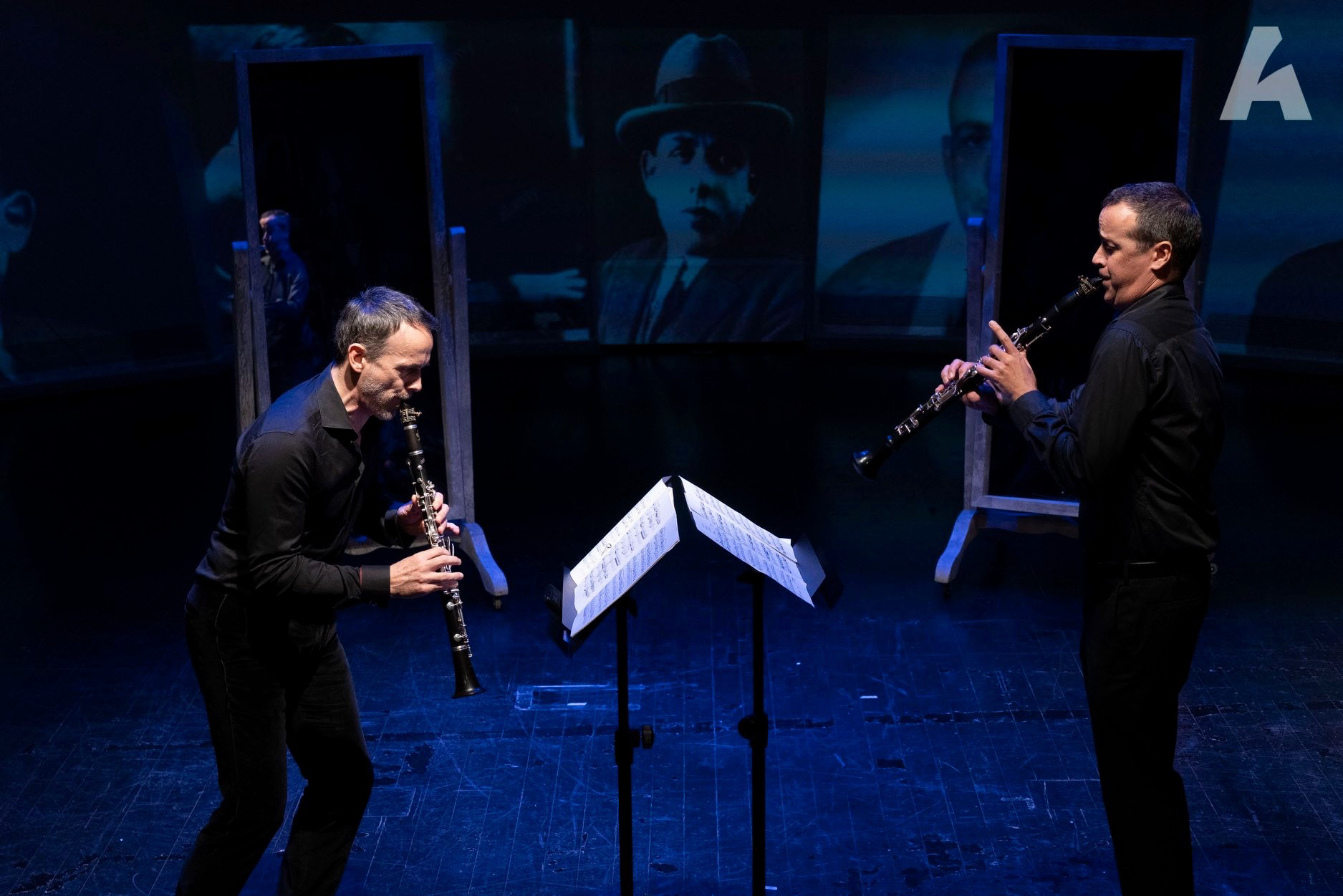
Chamber music, ensembles and projects
In chamber music, interpretation is negotiated.
Time, balance, articulation, breathing, colour and tension do not belong to one player alone. A choice that is persuasive in isolation may make less sense once another line enters.
The mentoring can therefore move from a particular interpretative issue towards the shape of a programme, the musical logic of an ensemble or the development of a project from repertoire towards performance.
For someone building or renewing an artistic project, repertoire is often also a practical choice. What belongs together? What kind of programme is worth preparing? Which project has enough musical substance to justify the time it requires?
These questions remain connected to the artistic work rather than becoming a separate exercise in self-promotion.
Professional choices and transitions
Some questions cannot be resolved inside a single piece.
A musician may be finishing advanced study and considering several directions. Someone already teaching may want to make more room for performance. An orchestral player may be considering different auditions or a different kind of artistic development. Another musician may have several possible projects but no clear reason yet to prioritise one.
In those circumstances, I do not approach the conversation as generic career coaching.
We can examine the musician's existing experience, repertoire, artistic priorities, practical possibilities and the choices that are genuinely available. The aim is not to construct a grand professional identity, but to reach enough clarity to make the next choice on realistic artistic grounds.
Professional circumstances matter because they affect what it makes sense to work on next.