
About Cristo Barrios
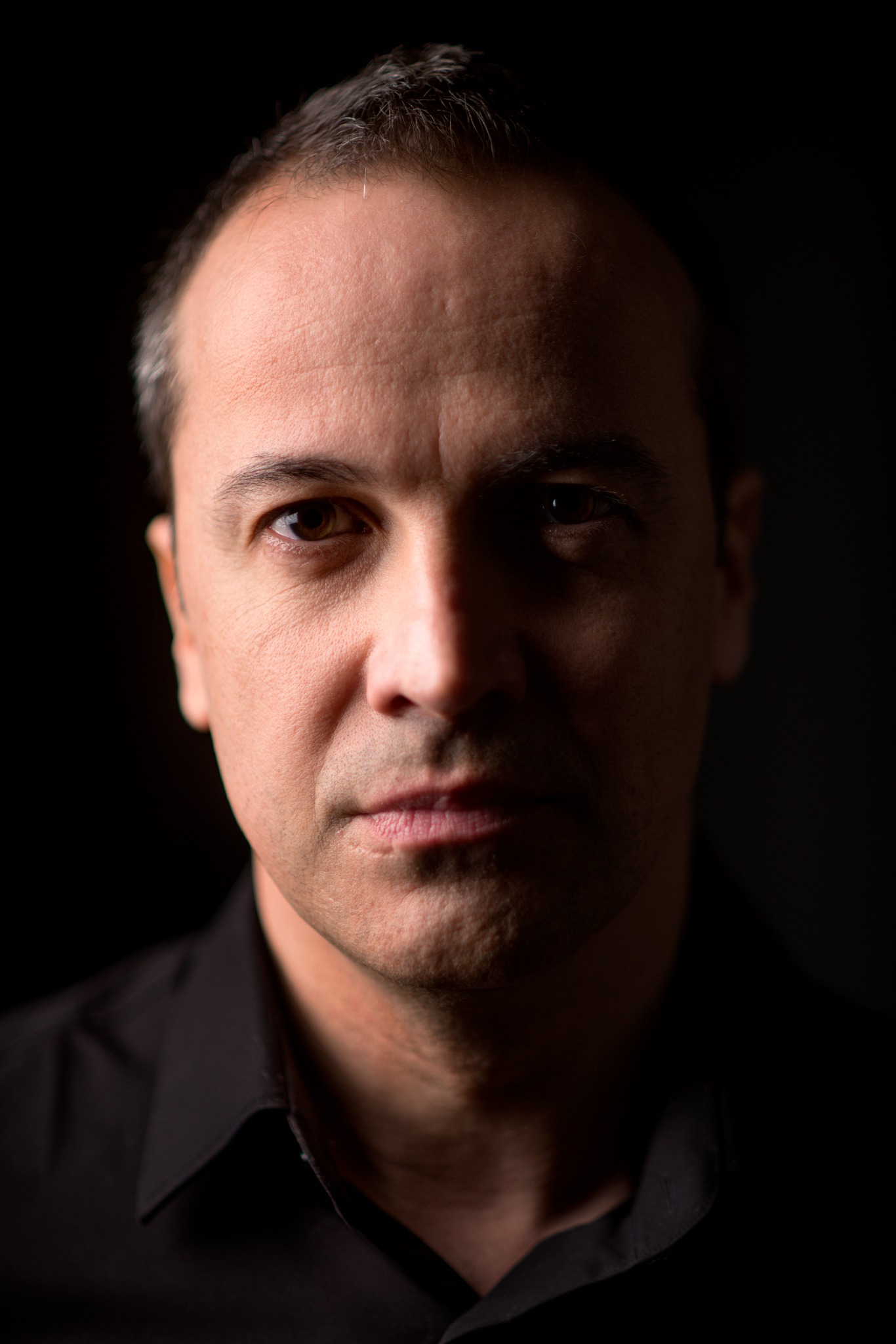
Cristo Barrios is a clarinettist, chamber musician and educator whose work spans performance, advanced teaching and research into musical interpretation.
As a performer, he has appeared at venues including Wigmore Hall, the Concertgebouw and Carnegie Hall, alongside chamber collaborations and recording projects. He co-founded Quantum Ensemble and has worked across classical, romantic, contemporary and newly created repertoire.
Performance remains part of the reference point
The mentoring is not based only on observing performance from outside it.
Cristo's own career as a soloist and chamber musician means that preparation, rehearsal, collaboration, programming, interpretation and public performance are familiar as practical artistic questions.
That does not make his interpretation a model another musician should reproduce. It means that the questions being discussed belong to lived performance practice rather than only to pedagogical abstraction.
Advanced work with musicians
Since 2013, Cristo has taught at Centro Superior Katarina Gurska in Madrid. His teaching has included advanced performance with higher-education and master's musicians from a wide range of instrumental and vocal disciplines.
Recurring concerns across that work include listening, phrasing, expression, the relationship between analysis and sound, interpretative judgement and the ability to support an interpretation for musical reasons.
This cross-disciplinary experience is relevant to mentoring because many interpretative questions are not exclusive to one instrument. It does not replace the knowledge of an instrument-specific teacher when the issue is primarily technical.

Research and reflection
Cristo holds a PhD in Musicology, and his research and pedagogical work have examined how performers make artistic choices and how musical ideas take audible form through time, sound, structure and interpretation.
Research has a supporting role here.
The mentoring is not an academic seminar, and musicians do not need to adopt theoretical language in order to work. Reflection becomes useful when it helps make an interpretative question more precise, distinguish between alternatives or return an idea to the repertoire in a form that can actually be heard.
Where these strands meet
Performance brings experience of making and defending artistic choices.
Teaching brings prolonged experience of hearing how different musicians understand, practise and solve interpretative problems.
Research offers ways to make some of those problems more explicit without pretending that interpretation can be reduced to a formula.
The mentoring draws on all three, while remaining centred on the musician and the music currently in front of them.
More about Cristo's artistic work
Cristo's official artist website contains the broader material that does not need to be duplicated here.